Senate passes sweeping college sports overhaul in 77-22 vote
Bill would set national rules for NIL payments and athlete transfers
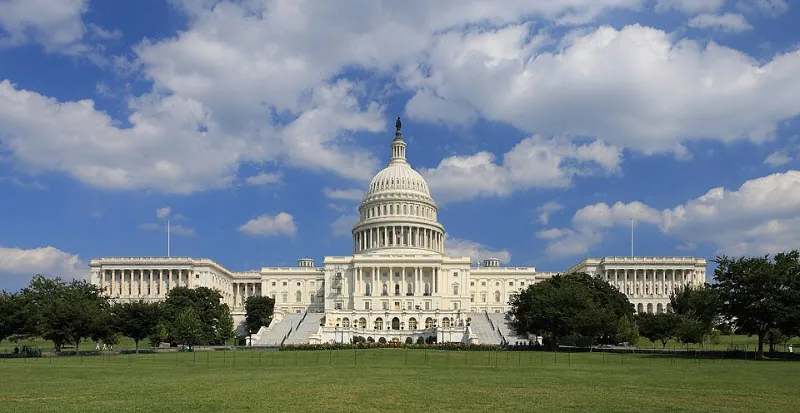
The U.S. Senate passed the Protect College Sports Act in a bipartisan 77-22 vote Monday, advancing legislation that would establish federal rules governing athlete compensation, transfers, eligibility and other major aspects of college athletics. The measure now heads to the House of Representatives, meaning it is not yet law.
The bill would give the NCAA limited protection from federal antitrust lawsuits when enforcing certain rules and restore a five-year eligibility limit for college athletes. Athletes would be permitted one transfer with immediate eligibility, while additional transfers could carry restrictions. The legislation would also establish federal standards for name, image and likeness (NIL) agreements and cap fees charged by agents handling those deals at 5%.
The legislation includes several protections for athletes. It would guarantee athletic scholarships for up to 10 years after eligibility ends, require schools to cover certain medical expenses for five years after an athlete's eligibility, and prevent scholarships from being revoked because of injury or athletic performance. Schools would also face requirements intended to preserve opportunities and scholarships in women's and Olympic sports.
The measure emerged after years of court decisions and state laws transformed college athletics. Athletes can now earn money through NIL agreements, and schools have begun directly sharing revenue with players. Supporters of the legislation, including the NCAA and numerous major conferences and universities, argue that national standards are needed to replace the patchwork of state laws and court rulings governing the system.
Critics, including some athlete advocates, labor organizations and lawmakers, argue that the bill gives the NCAA too much authority and places new restrictions on athletes without giving them collective bargaining rights. The legislation does not resolve the broader debate over whether college athletes should be treated as employees.
The bill's future remains uncertain because the House is in recess until after the November midterm elections. Any House changes would also have to be reconciled with the Senate version before legislation could reach President Trump for his signature.