Trump promises no new attacks on Iran before November elections
Iran reports nightly operations against ships in Strait of Hormuz
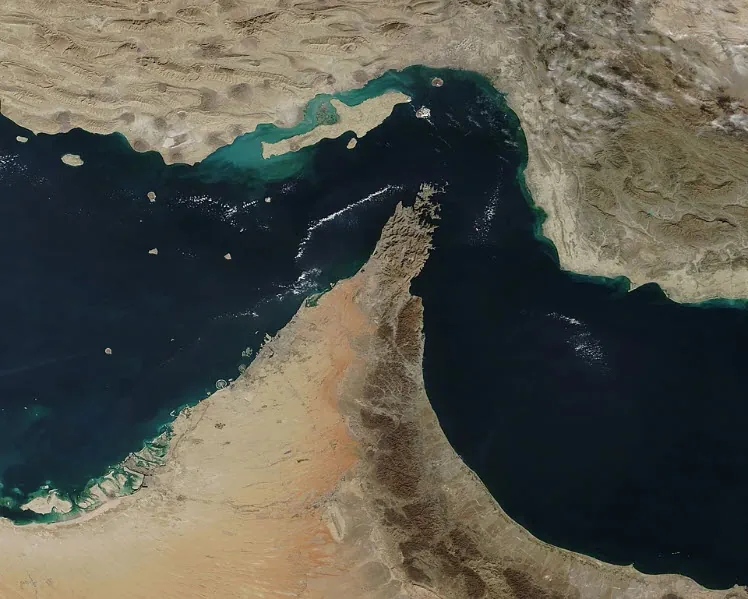
President Trump announced on October 8, 2026, that the United States will not launch new military attacks against Iran before the November 3 midterm elections, even as tensions continue in the strategically important Strait of Hormuz.
Trump said Washington and Tehran were engaged in productive discussions aimed at resolving their ongoing conflict. His announcement follows reports that the Pentagon had instructed U.S. Central Command to complete preparations for potentially resuming major combat operations against Iran.
The president's statement establishes a near-term commitment to avoid renewed American strikes. However, it does not rule out military action after the elections or establish a permanent ceasefire.
The conflict began in February 2026, when American and Israeli forces launched attacks against Iran. Fighting and disruptions to regional shipping have since affected global energy markets, contributing to higher fuel prices and economic uncertainty.
Despite Trump's announcement, tensions remain elevated around the Strait of Hormuz, a critical passage connecting the Persian Gulf with international shipping routes.
An official with Iran's Islamic Revolutionary Guard Corps (IRGC) said Iranian naval forces have been conducting operations every night against vessels Tehran considers to be violating its maritime rules. The statement was reported by Al Jazeera on October 9.
Iranian media also reported explosions in the southern Strait of Hormuz, citing unnamed military sources. The available reporting does not independently establish the circumstances of those explosions or confirm that every Iranian operation involved a direct attack on a commercial vessel.
The continuing maritime confrontation highlights the limits of the current diplomatic effort. Even without new American airstrikes, military activity in the waterway could threaten commercial shipping and complicate negotiations.
The United States and Iran have exchanged proposals addressing the conflict and access to the Strait of Hormuz. However, significant disagreements remain, including disputes over Iran's nuclear program, economic restrictions and maritime security.
The Trump administration has maintained that Iran must accept substantial restrictions on its nuclear activities. Iranian officials continue to defend the country's right to uranium enrichment and reject accusations that Tehran is pursuing nuclear weapons.
On October 8, the United States also announced additional sanctions targeting Iranian oil transportation networks and 17 vessels allegedly involved in moving petroleum products. The measures are intended to restrict revenue available to Iran's military and security organizations.
For American consumers, the situation carries consequences beyond foreign policy. Disruptions involving a major international oil shipping route can influence crude oil prices, transportation costs and gasoline prices.
Trump's announcement provides a temporary assurance against new American strikes before Election Day, but the broader conflict remains unresolved.