Hurricane Isaias reaches 105 mph as Gulf Coast evacuations expand
Category 2 storm threatens Florida and Alabama with dangerous flooding
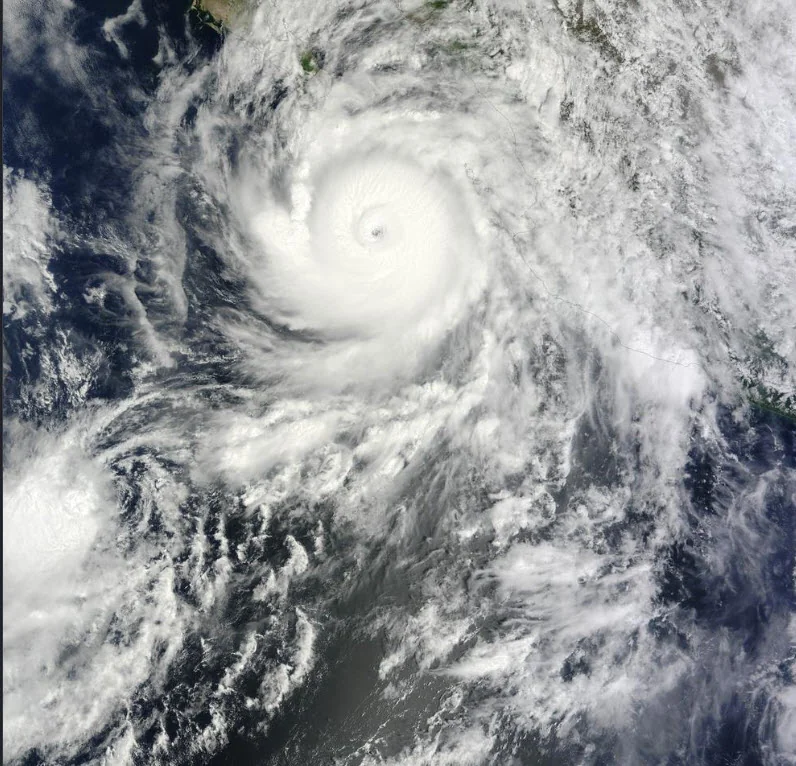
Hurricane Isaias strengthened into a powerful Category 2 hurricane with maximum sustained winds of 105 mph as it approached the northern Gulf Coast on Friday, October 9, 2026. The storm is expected to make landfall near the Alabama-Florida state line late Friday or early Saturday, threatening coastal communities with destructive winds, life-threatening storm surge, heavy rainfall and potentially prolonged power outages.
The National Hurricane Center (NHC) reported that Isaias was approximately 230 miles south of the mouth of the Mississippi River at 1 a.m. Central Time Friday, moving north-northeast at 14 mph. Hurricane warnings remained in effect along portions of the northern Gulf Coast, including southern Alabama and the western Florida Panhandle.
Forecasters warned that coastal water levels could rise 5 to 7 feet above normally dry ground in vulnerable locations. Heavy rainfall could produce widespread flooding, with some areas potentially receiving up to 15 inches. Dangerous surf, damaging winds and isolated tornadoes are also possible as the storm moves inland.
Authorities across Florida, Alabama and Mississippi issued evacuation orders and emergency declarations as residents prepared for the hurricane. Mandatory evacuations affected some vulnerable coastal communities, while officials urged residents in other threatened areas to follow local emergency instructions.
In Florida, approximately 5,000 National Guard troops were mobilized to support emergency preparations and response operations. Schools announced closures, residents filled sandbags, and businesses secured buildings ahead of the storm's arrival.
Transportation disruptions were also spreading. Airports serving Pensacola and Destin-Fort Walton Beach announced operational suspensions, while Amtrak halted passenger service between Mobile, Alabama, and New Orleans through at least Saturday.
The hurricane has also disrupted offshore energy production. Federal data indicated that approximately 63% of Gulf of Mexico oil production and 57% of natural gas production had been shut down as operators evacuated personnel and secured facilities.
Isaias is the first Atlantic hurricane of the 2026 season, arriving unusually late in a year when strong El Niño conditions have helped suppress tropical cyclone development. Despite those conditions, unusually warm Gulf waters supported the storm's rapid intensification.
Forecasters expect Isaias to weaken after moving inland, but heavy rainfall and flooding threats could extend northward into Tennessee and North Carolina. Officials emphasized that dangerous conditions may occur well outside the hurricane's immediate landfall area.
Residents in affected regions are being urged to complete preparations, avoid flooded roads and follow evacuation instructions from local emergency management agencies.