Hurricane Isaias Slams Florida With 105 MPH Winds
More Than 726,000 Without Power as Flooding Threatens Southeast
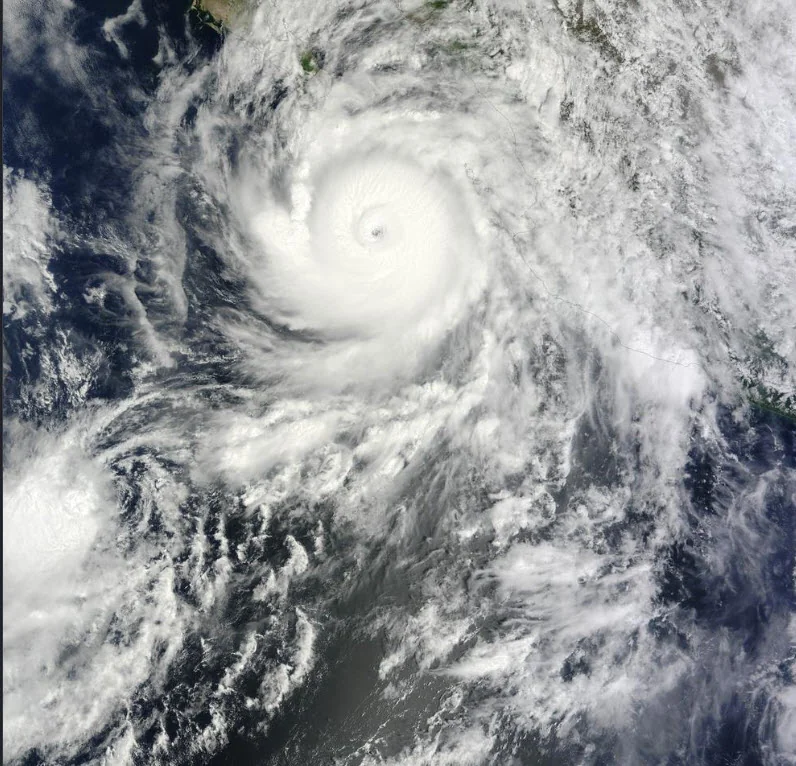
Hurricane Isaias struck the Florida Panhandle near Destin at approximately 8:30 p.m. CDT on Friday, October 9, making landfall as a powerful Category 2 hurricane with sustained winds of 105 mph. The storm battered the northern Gulf Coast with destructive winds, dangerous storm surge, and heavy rainfall before weakening as it moved inland.
The National Hurricane Center confirmed a minimum central pressure of 971 millibars at landfall. A weather station near Santa Rosa Sound, Florida, recorded a wind gust of 116 mph, while a monitoring station near Pensacola reported a gust of 100 mph. A NOAA gauge at Panama City Beach measured water levels approximately 5.6 feet above the normal high-tide level, illustrating the severity of coastal flooding.
By early Saturday, more than 726,000 customers were without electricity as fallen trees, damaged utility poles, and flooding disrupted communities across Florida, Alabama, and neighboring states. Roads became impassable in some locations, and dangerous conditions temporarily prevented emergency crews from responding to certain calls.
In Pensacola, powerful winds damaged buildings, tore roofing materials from structures, and scattered debris across streets. Regional airports experienced substantial flight disruptions as officials urged residents to remain indoors and avoid unnecessary travel.
Florida Governor Ron DeSantis warned residents against traveling through damaged areas while emergency personnel assessed the destruction. Emergency declarations and evacuations had already been implemented across parts of the Gulf Coast before landfall.
Although Isaias weakened after moving inland, the danger did not end with its loss of hurricane strength. Forecasters warned that heavy rainfall, flash flooding, isolated tornadoes, and additional power outages could affect communities farther inland as the storm continued across the Southeast.
The hurricane also disrupted offshore energy production in the Gulf of Mexico, adding economic concerns to the immediate challenges of restoring electricity, clearing roads, and protecting residents from flooding.