Pope Leo condemns death penalty amid U.S. execution livestream controversy
Vatican calls planned broadcast unacceptable as Trump weighs final decision
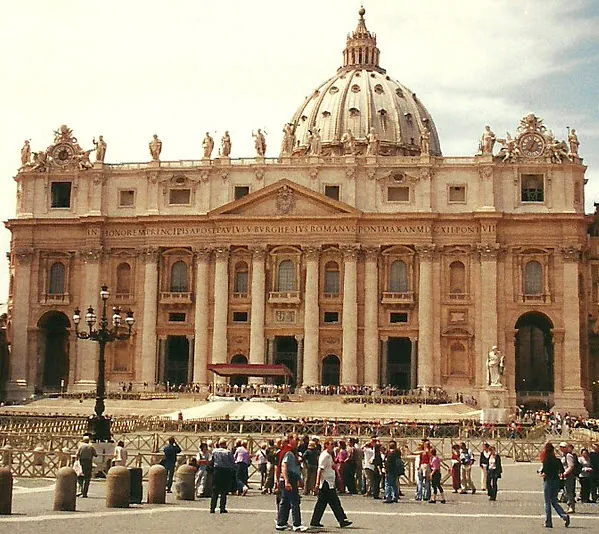
Pope Leo XIV reaffirmed the Catholic Church's opposition to capital punishment on October 10, 2026, declaring the death penalty inadmissible as the United States faces growing controversy over plans to livestream a military execution by firing squad. The American-born pope issued his statement on World Day Against the Death Penalty, emphasizing human dignity and the possibility of redemption.
In a message posted on X, Leo described capital punishment as an attack on human dignity. He argued that modern prison systems can protect society and deliver justice without permanently denying convicted individuals the possibility of redemption.
The statement came two days after Defense Secretary Pete Hegseth announced plans to execute Nidal Hasan, the former Army psychiatrist convicted of killing 13 people and wounding 32 others during the 2009 Fort Hood shooting in Texas.
Hasan's execution is scheduled for December 3, 2026, although additional legal proceedings could delay it. Hegseth has advocated broadcasting the firing-squad execution publicly, an unprecedented step for the U.S. military.
President Trump subsequently said he had not made a final decision about allowing the livestream. Vice President JD Vance, a Catholic, expressed skepticism about broadcasting the execution and said he would not watch it.
Although Pope Leo did not explicitly mention Hasan or the Pentagon's proposal, senior Vatican officials directly criticized the planned broadcast.
Cardinal Pietro Parolin, the Vatican's secretary of state, called turning an execution into a public spectacle unacceptable. Archbishop Paul Coakley, president of the United States Conference of Catholic Bishops, also urged reconsideration, describing the proposal as a troubling promotion of a culture of death.
The pope's position is not a new change in Catholic doctrine. His predecessor, Pope Francis, formally revised the Church's teaching in 2018 to declare capital punishment inadmissible under modern circumstances.
The renewed debate comes amid wider scrutiny of American execution practices, including a recent failed lethal-injection attempt in Tennessee.
The controversy now involves two separate questions: whether the government should carry out capital punishment and whether an execution should be broadcast to the public.