Elon Musk Spends $366 Million to Help Republicans Keep Congress
New Campaign Finance Figures Reveal $276 Million Committed Since July
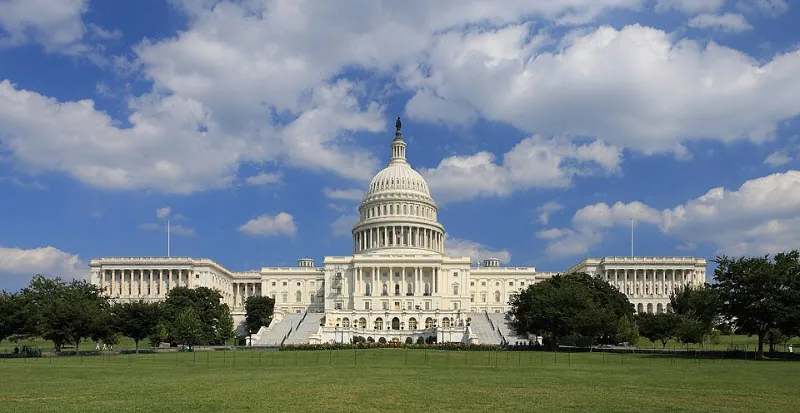
Elon Musk has spent approximately $366 million during the 2026 U.S. midterm election cycle to support Republican candidates and help the party retain control of Congress, according to campaign finance records and reporting published Monday, October 12. The spending includes $276 million since July, making the technology billionaire one of the largest individual political donors in the country.
The figures, first reported by The New York Times and subsequently confirmed by Reuters, show the scale of Musk's financial involvement ahead of the November 3 elections. A spokesperson for America PAC, Musk's political action committee, confirmed the spending totals. The contributions include $158 million directed toward a super PAC supporting Republican Senate candidates.
Musk's financial support comes as Republicans defend their majorities in both the House of Representatives and Senate. With control of Congress at stake, political committees and outside organizations are spending heavily on advertising, voter outreach and campaign operations in competitive races.
Unlike contributions made directly to federal candidates, donations to independent-expenditure-only political committees, commonly called super PACs, are not subject to the same contribution limits. These organizations can raise and spend unlimited amounts supporting or opposing candidates, although federal law prohibits them from coordinating their independent expenditures with candidate campaigns.
Musk previously served as a senior adviser to President Trump and led the administration's Department of Government Efficiency initiative. His companies, including SpaceX and Tesla, also have substantial interests in federal policies involving government contracts, transportation, energy and technology regulation.
Democratic lawmakers have called for greater scrutiny of Musk's government contracts and his previous role in the administration. Those concerns provide additional political context for his involvement in the congressional elections, although the spending records themselves do not establish his personal motivations.
The latest disclosures also highlight the broader financial competition between the parties. According to campaign finance figures reported by Reuters, Republican national committees and allied congressional political committees held approximately $614 million in cash, compared with $392 million for their Democratic counterparts.
Supporters of large political expenditures argue that independent organizations have a right to participate in political advocacy. Critics contend that enormous contributions from wealthy individuals can give a small number of donors disproportionate influence over election messaging and political priorities.
The ultimate effect of Musk's spending on voter turnout and election results remains uncertain.