Two Cargo Ships Sink Near Strait of Hormuz as Attacks Surge
One Sailor Killed, 21 Rescued as Iranian Strikes Threaten Global Shipping
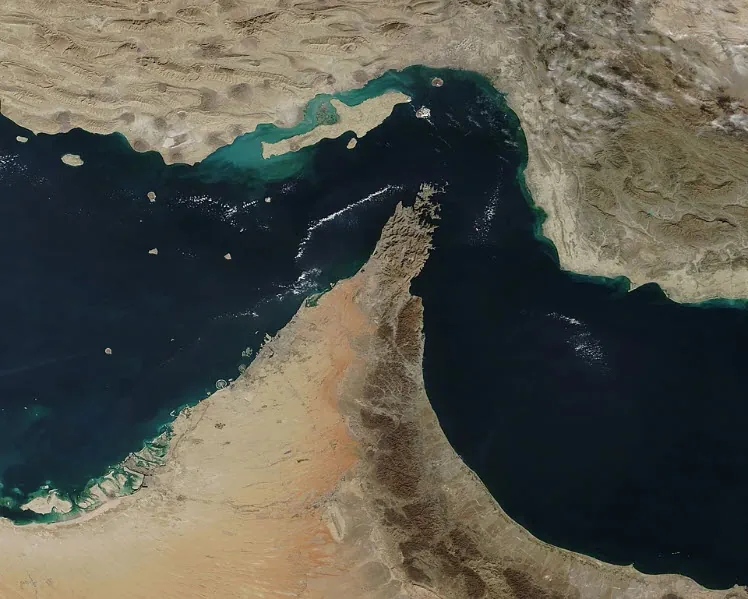
Two commercial cargo ships have sunk near the Strait of Hormuz, marking a significant escalation in attacks on international shipping as tensions between Iran and the United States intensify. The vessels, identified as the GFS Pride and Cape Dao, sank in separate incidents reported on October 14, 2026. One crew member was killed in an earlier attack, while 21 sailors aboard the other vessel escaped without injury.
The GFS Pride, a Singapore-flagged container ship capable of carrying 2,824 standard shipping containers, was struck by an unidentified projectile while traveling through the strait on October 13. The vessel caught fire, sustained extensive damage and subsequently sank. Singapore's Maritime and Port Authority confirmed that all 21 crew members were safely evacuated and no injuries were reported.
The second vessel, the Cape Dao, was a dry bulk carrier registered in Antigua and Barbuda. It sank after previously being struck by a projectile on September 23. One crew member died in that earlier attack, while the remaining sailors were evacuated. Records from the International Maritime Organization confirmed the vessel's sinking. The two ships became the second and third confirmed vessel losses since the U.S.-Iran war began on February 28.
The circumstances surrounding the attacks remain disputed. Iranian state media claimed that a vessel struck a naval mine while traveling along an unauthorized route. Maritime security specialists have questioned that explanation, suggesting a drone strike may have been responsible. The precise weapons involved have not been independently established.
The incidents come amid a sharp increase in attacks against commercial shipping. According to United Kingdom Maritime Trade Operations, at least nine attacks were reported in or near the strait since Monday. The escalating violence threatens container ships, bulk carriers and oil tankers operating along one of the world's most important maritime trade routes.
Before the war, approximately 20% of global oil and liquefied natural gas trade passed through the Strait of Hormuz. Shipping disruptions have reduced energy flows and contributed to rising international oil prices. Maritime tracking company Kpler reported that approximately 4.147 million barrels of oil passed through the strait on Monday, less than one-quarter of prewar levels.
Iran says its intensified maritime operations are a response to the continuing U.S. blockade of Iranian ports and additional economic sanctions. Two senior Iranian officials told Reuters that Tehran is seeking to maintain pressure on energy markets and influence American political calculations ahead of the November 3 midterm elections.
With attacks expanding beyond oil tankers to ordinary commercial cargo vessels, international shipping companies face growing risks to their crews, ships and cargo.