ICE Rejects Automatic Body-Camera Safeguards Despite Federal Warnings
Government Watchdog Finds Recording Gaps, Confusing Rules and Weak Accountability
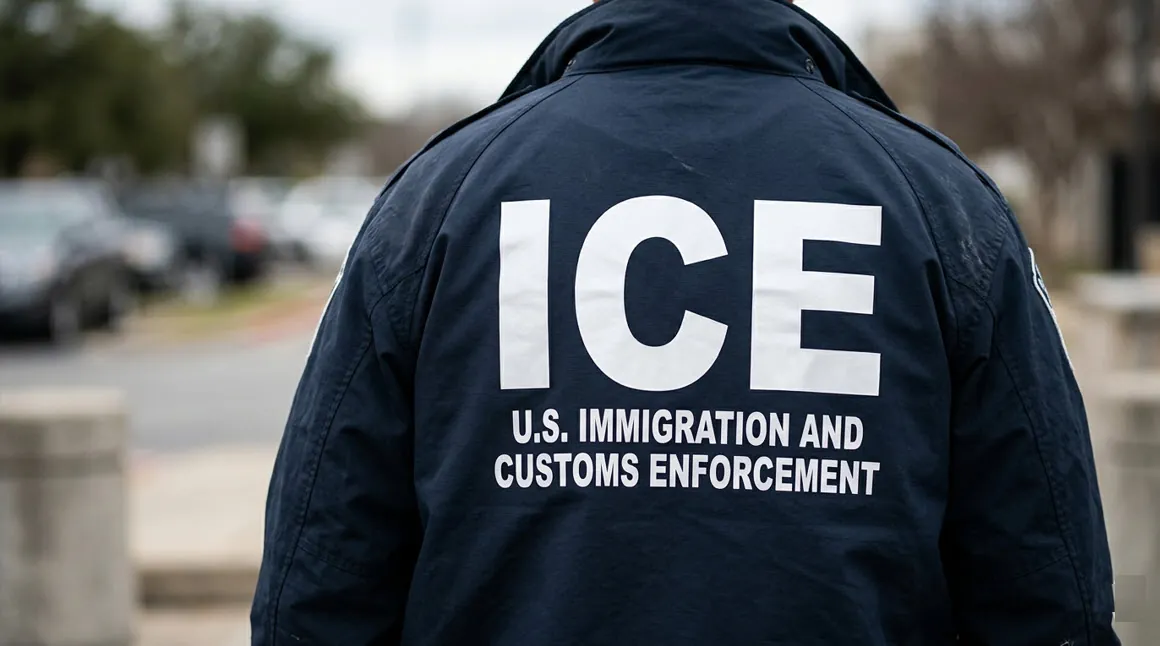
U.S. Immigration and Customs Enforcement (ICE) has rejected a federal watchdog's recommendation to strengthen body-camera activation safeguards, raising questions about whether important encounters between immigration officers and the public are being adequately documented.
A report from the Government Accountability Office (GAO), publicly released on October 14, 2026, found significant weaknesses in how ICE and U.S. Customs and Border Protection (CBP) manage their body-worn camera programs.
The watchdog recommended additional controls, including technology that could automatically activate cameras during certain enforcement activities. Such systems can reduce reliance on officers remembering to begin recording during rapidly developing encounters.
The Department of Homeland Security (DHS) rejected that recommendation, citing concerns about unintended recordings and the potential exposure of sensitive interactions involving confidential informants, victims or other individuals whose privacy requires protection.
However, the GAO maintained that additional activation safeguards would help ensure officers follow existing recording requirements. The recommendation remains open.
The investigation identified broader accountability problems. Personnel at six of the ten field locations reviewed expressed uncertainty about when cameras should be activated. At one location, officers were not using their cameras despite receiving training because operational instructions remained unclear.
The report also found that ICE issued no written reprimands for body-camera policy violations through September 2025, raising questions about how consistently recording requirements were being enforced.
Neither ICE nor CBP had updated its original body-camera program management plans to reflect major changes in deployment. Both agencies also lacked measurable performance goals for evaluating whether cameras were improving transparency, accountability and public trust.
As of April 2026, ICE had deployed approximately 4,800 body cameras. CBP had deployed approximately 11,500 cameras by June, primarily within the Border Patrol.
The GAO issued seven recommendations addressing program management, performance measurement, activation safeguards and operational guidance. DHS agreed with six but declined the recommendation concerning additional camera activation controls.
The findings arrive amid heightened scrutiny of immigration enforcement following several fatal shootings and other encounters involving federal officers. Body-camera footage can provide evidence for investigations, protect individuals against misconduct and help resolve disputed accounts of what occurred.
Importantly, the report does not establish that ICE rejected automatic activation to avoid accountability. The agency has cited privacy and operational concerns. Nevertheless, the watchdog concluded that existing safeguards leave preventable gaps in documenting enforcement activities.