Ship Attacks Around Strait of Hormuz Reach Wartime High
Maritime Monitor Says True Number Could Be Even Higher
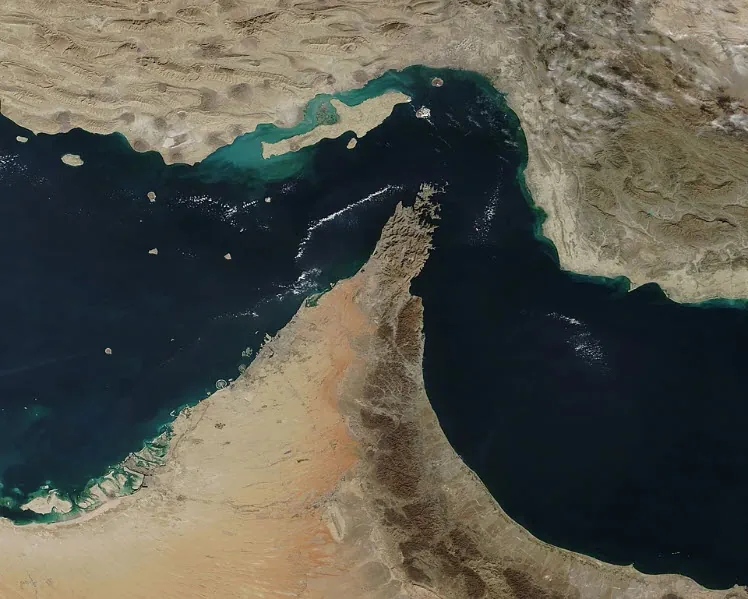
Attacks on commercial ships in and around the Strait of Hormuz have reached their highest reported level since the current war began, as Iran intensifies pressure on vessels using one of the world's most important energy shipping routes.
The United Kingdom Maritime Trade Operations reported at least 12 attacks during the week ending October 16, while warning that the actual number is likely higher because many vessels are no longer reporting attacks to the organization. CBS reported that October has become the busiest month for reported attacks in the strait since the opening months of the war. On October 11 alone, six vessels were targeted, the highest single-day total since the conflict began.
The latest incidents have involved oil tankers, container ships and other commercial vessels. UKMTO reported two additional attacks off Saudi Arabia on October 16, including a tanker struck by a rocket-propelled grenade fired from a small boat. The crew survived. Other recent attacks have involved drones and unidentified projectiles, while separate reporting indicates naval mines have also been used in the region.
Reuters, citing Iranian officials, reported that Tehran has deliberately increased both the frequency of attacks and changed its tactics against vessels it considers noncompliant with Iranian restrictions. The Islamic Revolutionary Guard Corps has increasingly used small boats and other methods to identify ships for attack as Iran seeks greater control over traffic through the waterway.
The escalation follows the sinking of two commercial ships near Hormuz earlier in the week. One sailor was killed and 21 crew members from another vessel were rescued. Shipping companies have increasingly avoided the region, and oil flows through the strait have fallen sharply as the security threat has grown.
The Strait of Hormuz remains a critical route for global oil and natural-gas shipments, making sustained attacks there a potential threat to energy supplies, shipping costs and fuel prices worldwide.