Trump Accuses Zelenskyy of Not Wanting to End Ukraine War
President Blames Russian Refinery Strikes for Hurting Diesel Markets
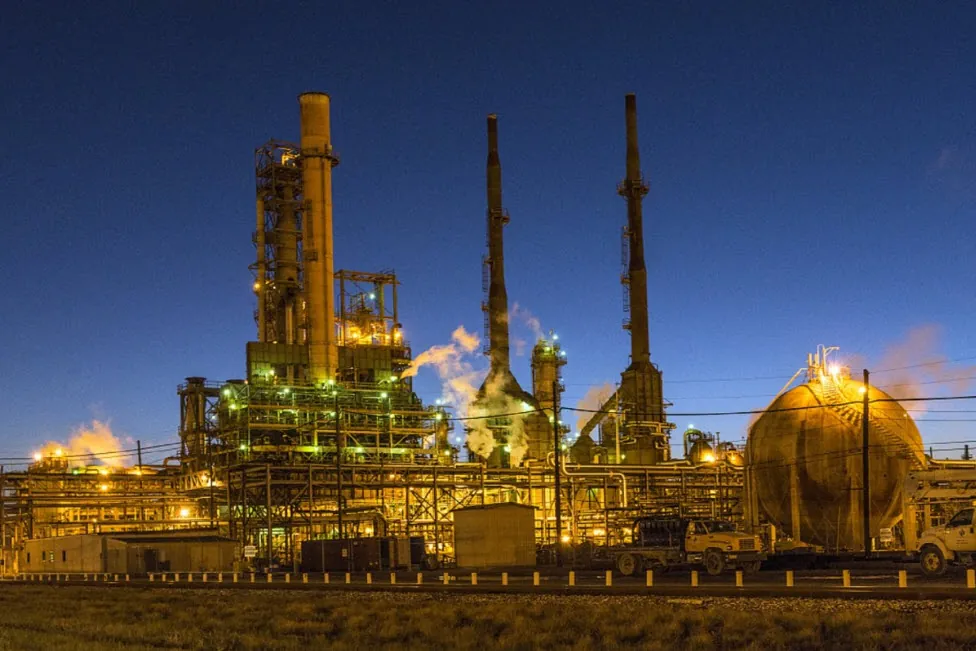
President Trump escalated his criticism of Ukrainian President Volodymyr Zelenskyy on Sunday, accusing him of not wanting to end the war with Russia and blaming Ukrainian attacks on Russian diesel refineries for harming global fuel markets. The comments came as tensions between Washington and Kyiv intensified following one of Ukraine's largest drone attacks on Russia this year.
In a Truth Social post, Trump said he was making progress in negotiations aimed at ending the war and did not want to take actions that could drive Russia away from the negotiating table. He then accused Zelenskyy of targeting Russian diesel refineries despite the effect on fuel supplies, saying the attacks were "seriously hurting the world diesel markets, including those in the United States." Trump also claimed Zelenskyy "doesn't want to end this war, and probably never did."
Trump's criticism followed a Ukrainian attack involving more than 1,000 drones that struck Russian territory and set oil facilities ablaze in St. Petersburg. Ukraine resumed attacks on Russian energy facilities after Zelenskyy said Russia had continued striking Ukrainian energy infrastructure despite a proposed pause in attacks on energy targets.
The dispute comes as Trump has also temporarily waived new sanctions and tariffs targeting Russia. The measures, passed by Congress under the Graham Act, were scheduled to penalize Russian exports and countries purchasing Russian energy. The administration is reviewing their economic effects for up to 60 days. Trump has also reached an agreement with Russia intended to increase diesel supplies to world markets and reduce fuel prices.
Zelenskyy has criticized the sanctions relief and Russian diesel agreement, arguing that reducing economic pressure on Moscow could strengthen Russia's ability to continue the war. At the same time, he said U.S. intelligence sharing with Ukraine had resumed after a temporary interruption.
The increasingly public dispute now extends beyond disagreements over military strategy to sanctions, energy markets and the conditions under which the United States is pursuing negotiations with Russia.