Trump creates dedicated women's health division at NIH
Executive order also establishes White House task force on women's health
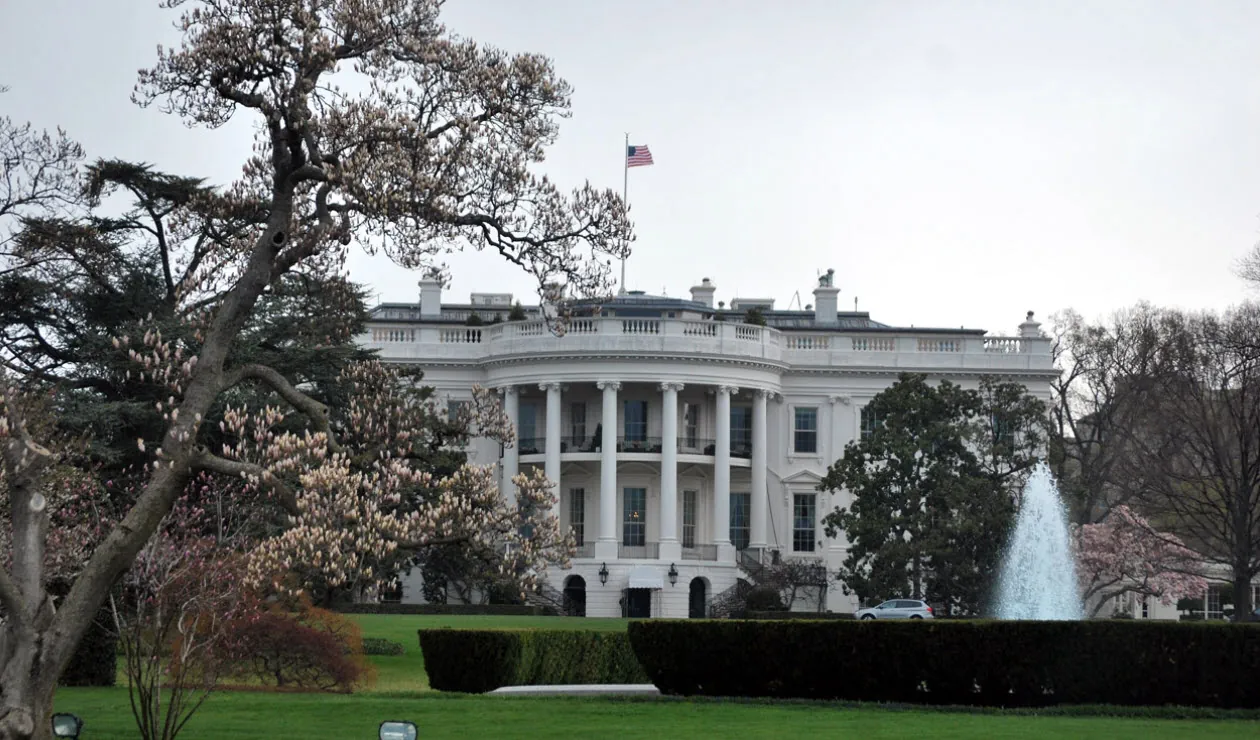
President Trump signed an executive order creating a dedicated Women's Health Division within the National Institutes of Health and establishing a new White House task force to coordinate women's health policy across the federal government.
The order, signed October 19, directs the Department of Health and Human Services and NIH to establish the new division within 90 days. Its responsibilities include coordinating research into diseases and conditions that disproportionately or differently affect women and improving how scientific discoveries are translated into prevention, diagnosis and treatment.
The administration says the initiative will address longstanding gaps in medical research involving women. The order calls for greater attention to women's health throughout different stages of life, including adolescence, pregnancy, midlife, menopause and healthy aging. It also directs federal agencies to examine ways artificial intelligence and other emerging technologies could accelerate research and development of treatments.
A new White House Women's Health Task Force will coordinate work across federal agencies. It will be co-chaired by Health and Human Services Secretary Robert F. Kennedy Jr. and White House Chief of Staff Susie Wiles. The task force is charged with developing recommendations on research priorities, clinical care and other federal policies affecting women's health.
First lady Melania Trump helped promote the initiative and joined the president for the signing. She described the effort as an opportunity to improve understanding of health conditions affecting women and to move research findings more quickly into medical care.
The executive order establishes the organizational framework and research priorities, but implementation will depend on federal agencies and available funding. Congress retains authority over appropriations, meaning creation of the new structures does not by itself guarantee additional research spending.