Russia seeks to prevent renewed Iran war as Lavrov visits Tehran
Moscow pledges continued cooperation while offering to help mediate conflict
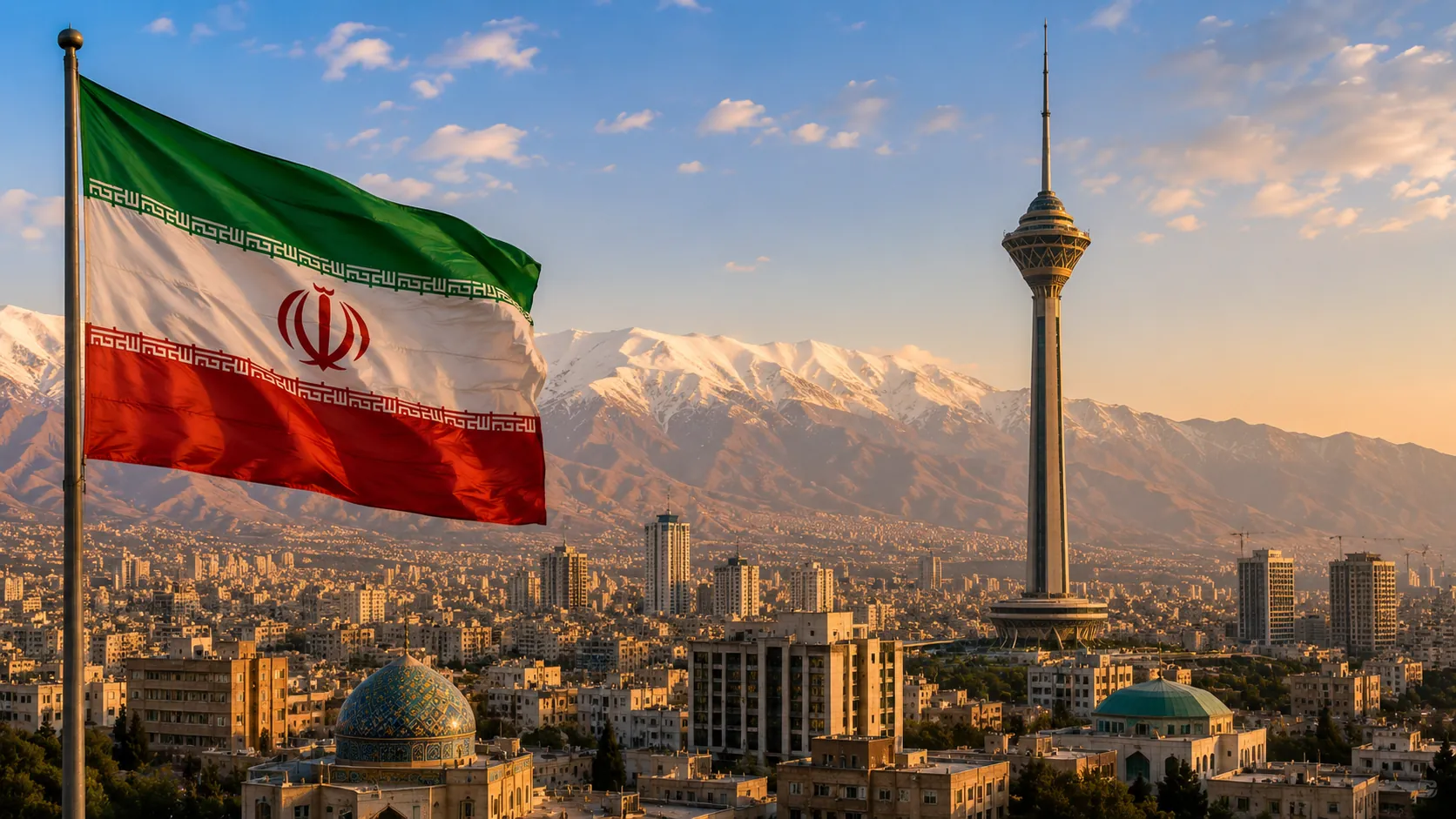
Russian Foreign Minister Sergey Lavrov traveled to Tehran for talks aimed at preventing a return to large-scale war between Iran and the United States and Israel, while reaffirming that Moscow intends to continue its political and economic relationship with Iran.
Lavrov met Iranian Foreign Minister Abbas Araghchi, President Masoud Pezeshkian and other senior officials on October 19, his first visit to Iran since the current Middle East conflict began. Lavrov said Russia's diplomatic efforts were aimed at preventing renewed large-scale fighting and offered Moscow's help in finding a negotiated solution.
The visit comes with direct negotiations between Washington and Tehran stalled. Iran proposed a seven-day ceasefire plan in September that included ending the U.S. naval blockade of Iranian ports, lifting sanctions on Iranian oil, reopening the Strait of Hormuz and returning to negotiations over Iran's nuclear program. President Trump rejected that proposal, while Iran says it remains available for consideration.
Russia also made clear that its relationship with Iran will continue. Lavrov said Moscow does not intend to abandon economic and investment agreements with Tehran and reaffirmed Russia's broader strategic partnership with the country. Iranian officials likewise called for stronger cooperation with Russia, including joint economic and transportation projects.
The statements came shortly after Trump said Russia was doing relatively little to help Iran and that he wanted to keep it that way while negotiating with Moscow over the war in Ukraine. Lavrov's visit demonstrated that Russia continues to maintain substantial diplomatic and economic ties with Tehran even as Moscow presents itself as a potential mediator.
Regional security remains fragile. Gulf countries have urged Russia to use its relationship with Iran to help stop attacks and restore normal commercial navigation through the Strait of Hormuz, a major route for global energy shipments.