Six citizens sue over Trump’s White House media restrictions
Lawsuit argues public has First Amendment right to independent reporting
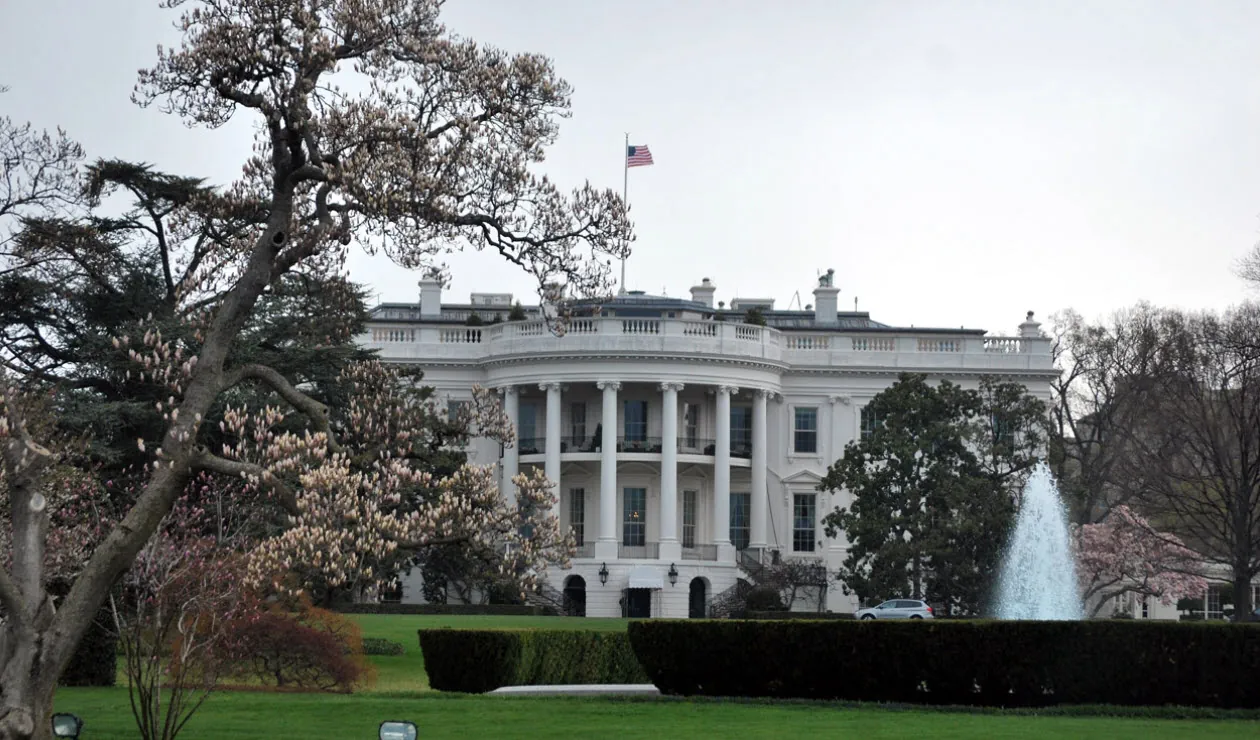
Six private citizens have filed a federal lawsuit challenging President Trump’s restrictions on news organizations at the White House, making an unusual argument that the policies violate not only journalists’ rights but also the public’s First Amendment right to receive information about its government.
The lawsuit was filed in federal court in New York and names Trump along with White House Chief of Staff Susie Wiles, Communications Director Steven Cheung and Secret Service Director Sean Curran. The plaintiffs argue that excluding news organizations because of their coverage deprives Americans of independent reporting from inside the White House.
The six plaintiffs include former Human Rights Watch executive director Kenneth Roth, Yale historian Beverly Gage, Lawfare editor-in-chief Benjamin Wittes, educator Peter Schmidt-Nowara, political journalist Dan Froomkin and University of Pennsylvania student journalist Alex Young. They argue that each relies on independent reporting to understand or communicate information about the federal government.
At the center of the case is the claim that White House press areas operate as a limited public forum. The lawsuit argues that once journalists are permitted access to those spaces, the government cannot exclude particular outlets because officials object to their viewpoints or coverage. The plaintiffs are asking a judge to declare viewpoint-based exclusions unconstitutional and block the administration from enforcing them.
The White House disputes the lawsuit’s premise. An administration official said no individual or news organization has an automatic right to enter spaces such as the Oval Office and defended the administration’s authority to determine access.
The case differs from previous disputes brought by news organizations themselves because the plaintiffs are asserting the constitutional interests of the audience receiving the news. That could require courts to consider whether members of the public have an enforceable First Amendment interest when the government restricts journalists’ access based on viewpoint.