Israel election remains deadlocked as votes are counted
Netanyahu and Eisenkot both fall short of a majority
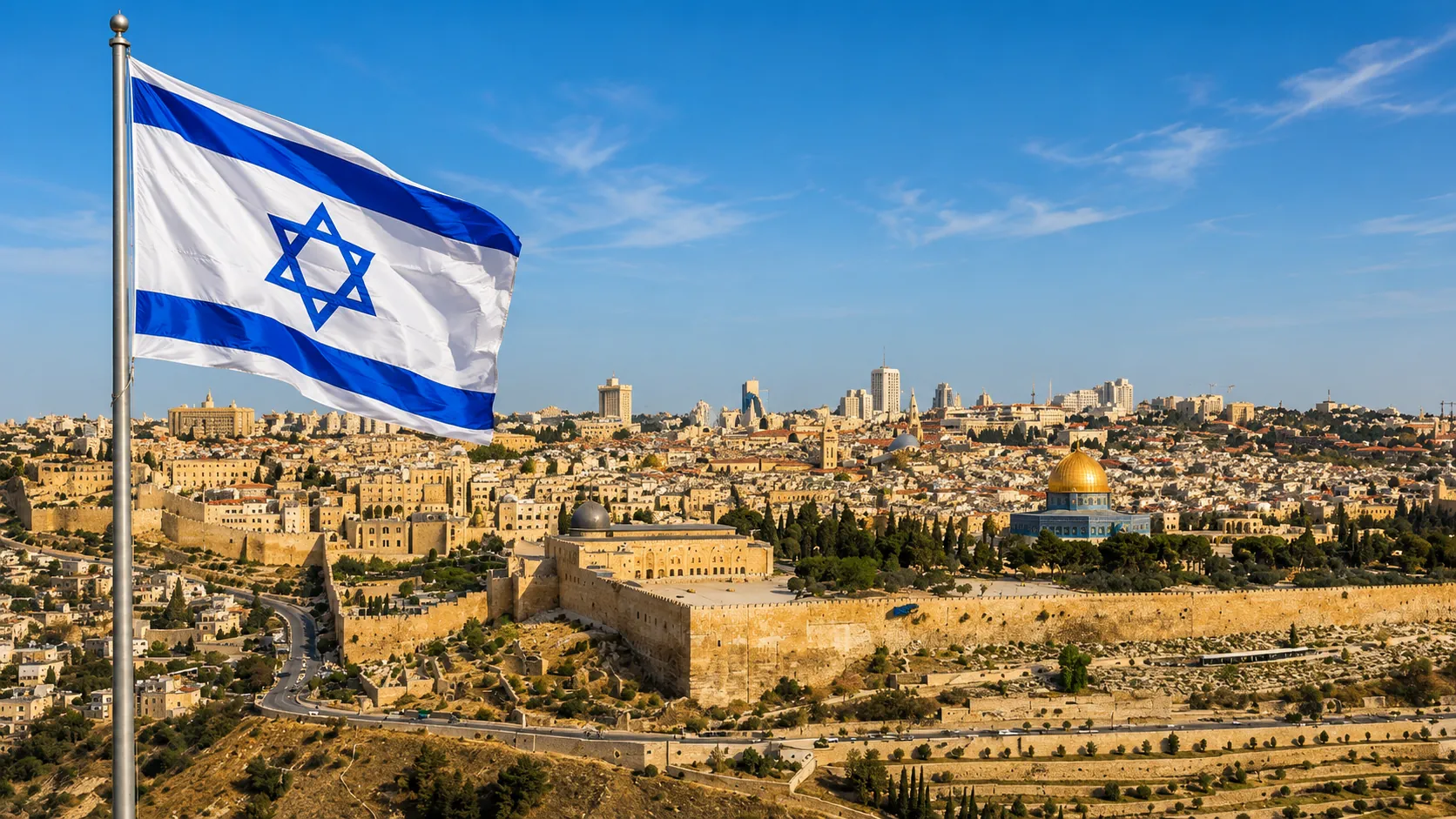
Israel's election remained without a clear winner Wednesday as Prime Minister Benjamin Netanyahu and challenger Gadi Eisenkot made competing claims to lead the country while official votes continued to be counted.
With 48.4% of ballots tallied, Netanyahu's bloc was projected to hold 55 seats, Eisenkot's bloc 50 seats and Arab parties 15 seats, according to Israeli media. Neither major bloc reached the 61 seats required for a majority in Israel's 120-seat Knesset, and the distribution could change as additional ballots are counted. Israel's Central Elections Committee is expected to continue counting through Thursday.
Netanyahu told supporters that Israel should establish a "strong, right-wing national government," while Eisenkot argued that voters had rejected another Netanyahu-led government and called on the longtime prime minister to leave politics. Neither man declared victory.
Turnout reached 77.7%, according to the Central Elections Committee, the highest level in more than two decades and roughly 7 percentage points above the 2022 election. Tuesday's vote was Israel's first national election since the October 7, 2023, Hamas-led attack and the wars that followed in Gaza, Lebanon and Iran.
The numbers leave both leaders facing difficult coalition arithmetic. Netanyahu's bloc has ruled out governing with Arab parties, while Eisenkot has largely ruled out doing so as well. Israel's fragmented parliamentary system allows smaller parties to play decisive roles in forming governments, and previous coalition negotiations have lasted weeks or months.
If neither side can assemble a majority, Netanyahu could remain caretaker prime minister during extended negotiations. Another election is also possible if no governing coalition can ultimately be formed.