LA wildfire smoke exposed millions to extremely high lead levels
Study finds urban fire plume contained far more toxic metals
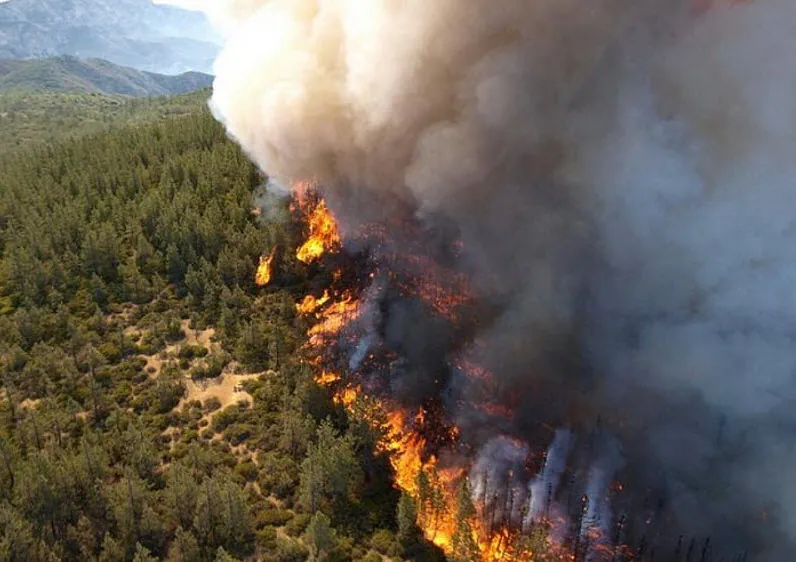
About 7 million people in the Los Angeles metropolitan area were exposed for a 24-hour period to airborne lead concentrations more than 80 times typical background levels during the 2025 Eaton Fire, according to a new study examining the chemical makeup of the fire's smoke.
Researchers from the California Institute of Technology analyzed hourly measurements of fine particulate matter collected during the January 2025 fire. The study, published in Science Advances, compared smoke from the Eaton Fire with smoke from a 2024 Riverside County wildfire that primarily burned vegetation.
The difference was substantial. Researchers found the Eaton Fire plume contained about 50 times more lead, three times more arsenic and seven times more halogens, including chlorine and bromine, than the vegetation-fire smoke. The highest concentrations occurred early in the Eaton Fire when large numbers of homes, vehicles, electronics and other manufactured materials were burning.
The measurements came from an air-monitoring station downwind of the fire that is part of the Atmospheric Science and Chemistry Measurement Network, or ASCENT. Its instruments allowed researchers to track changes in the smoke's chemical composition hour by hour as the fire moved from developed areas toward surrounding wildlands.
Lead is a neurotoxin associated with developmental problems in children and increased blood pressure in adults, while arsenic exposure is associated with several cancers. Researchers cautioned, however, that the health effects of a brief but extremely elevated exposure to airborne lead are not yet well understood.
The Eaton and Palisades fires that began on January 7, 2025, killed at least 31 people and destroyed more than 16,000 structures. Researchers said the findings demonstrate that smoke from fires burning through densely developed communities can be chemically different from smoke produced primarily by vegetation and may require different monitoring and emergency-response strategies.