Trump rallies in Iowa and Kansas in final midterm push
Republicans defend competitive races as control of Congress hangs in balance
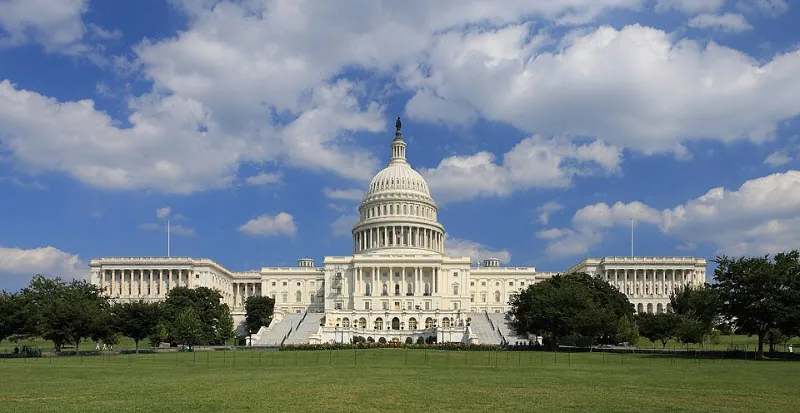
President Trump held rallies in Iowa and Kansas on Sunday, making a final push for Republican candidates as the party fights to maintain control of both chambers of Congress ahead of Election Day on Tuesday.
President Trump spoke for about two hours in Dubuque, Iowa, before traveling to an outdoor airport rally in Salina, Kansas. The appearances came after the events were briefly canceled in favor of telephone rallies reaching voters in nearly 20 states, then restored to the president's schedule. More than 54 million ballots had already been cast nationwide by Sunday.
In Iowa, Trump campaigned alongside Republican Senate candidate Ashley Hinson, who is competing for an open seat. In Kansas, Republican Sen. Roger Marshall is seeking reelection against Democrat Adam Hamilton in a contest that has drawn unusually heavy spending for the state. Trump urged supporters in both states to elect Republicans throughout the ballot.
The choice of Iowa and Kansas illustrates the competitive environment Republicans face. President Trump won both states in 2024, but Republicans are now defending congressional races there while trying to preserve their narrow majorities in Washington.
The Kansas Senate contest has generated approximately $105 million in television and digital advertising, according to ad-tracking firm AdImpact, with Democrats spending about $62 million and Republicans about $43 million. Hamilton is seeking to become the first Democrat elected to the U.S. Senate from Kansas since 1932.
President Trump said Kansas would be his final campaign stop outside Washington before the election. He is scheduled to deliver his closing midterm message Monday at the Lincoln Memorial Reflecting Pool in Washington, D.C.
With all 435 House seats and roughly one-third of the Senate on the ballot, Tuesday's results will determine which party controls Congress for the final two years of President Trump's current term.