Trump names Stephen Miller White House chief of staff
Susie Wiles leaves post after Republican midterm losses
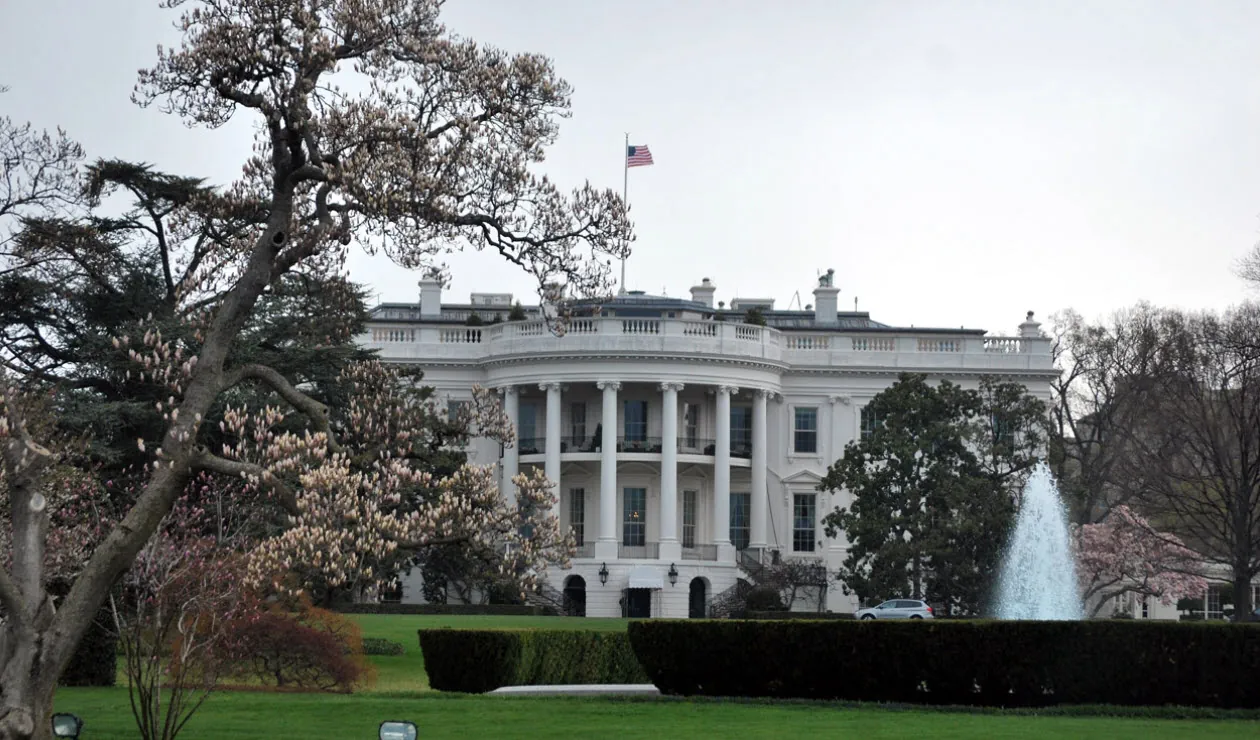
President Trump has named Stephen Miller as his new White House chief of staff, replacing Susie Wiles in a major senior staff change following Republican losses in the 2026 midterm elections.
Miller, who had been serving as a White House deputy chief of staff and a leading adviser on immigration and homeland security policy, will take one of the administration's most influential positions. Multiple major news organizations reported the appointment, including Associated Press, Reuters, CBS News, NBC News, BBC News and PBS NewsHour. Wiles had served as Trump's chief of staff since the beginning of his second term.
The change comes immediately after an election that altered the balance of power in Washington. Republicans suffered major losses in the midterms, leaving the administration preparing for a substantially different relationship with Congress during the remaining two years of Trump's term. The chief of staff manages White House operations, coordinates senior advisers and agencies, and serves as a central point of contact between the president and other parts of the federal government.
Miller has been a prominent adviser to Trump since his first administration and has played a central role in developing the administration's immigration and border policies. His elevation gives him broader responsibility beyond the policy areas he previously managed and places him at the center of White House strategy as the administration adjusts to the post-election political environment.
Several news organizations have characterized the appointment as an indication that immigration enforcement and other policies closely associated with Miller could remain prominent administration priorities. The specific effect of his appointment on future legislation or executive actions, however, will depend on decisions made by Trump and the incoming Congress.
Wiles' departure is part of a broader series of personnel changes emerging after the midterm elections, with the White House reassessing its political and governing strategy.