Trump names Stephen Miller White House chief of staff
Post-midterm shakeup puts longtime adviser in top West Wing role
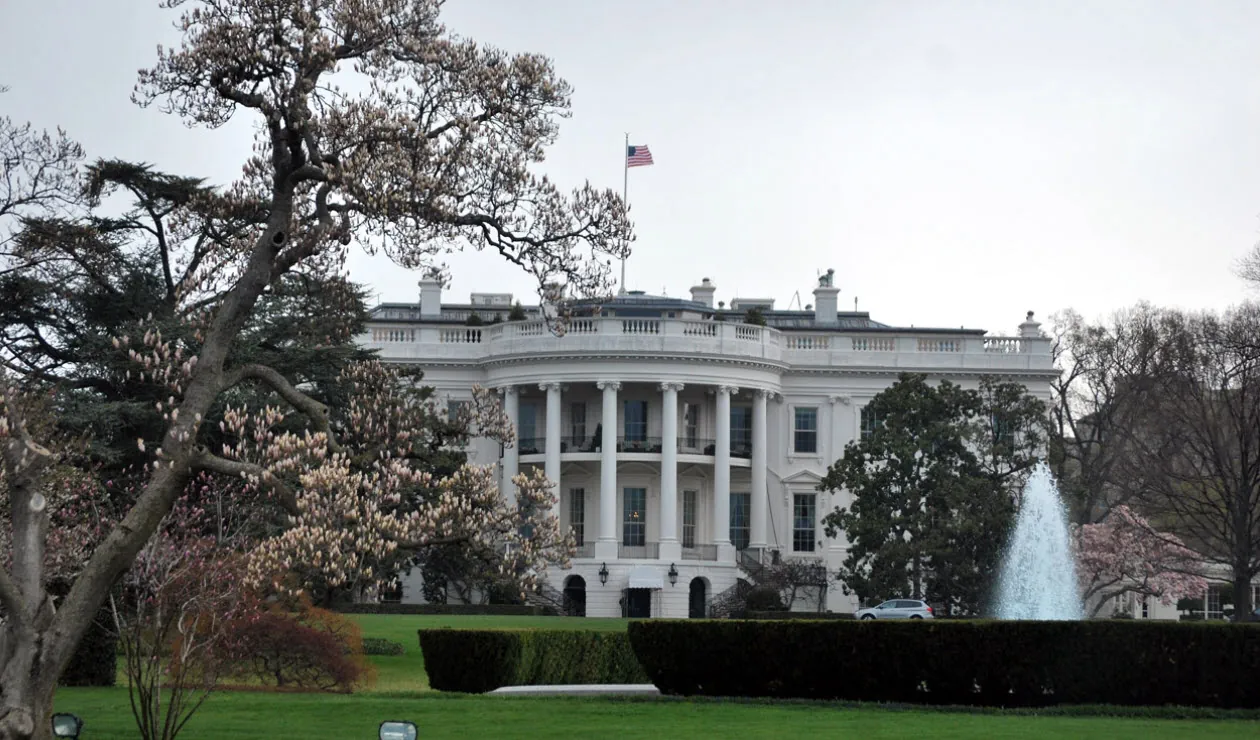
President Donald Trump has named longtime adviser Stephen Miller as White House chief of staff, replacing Susie Wiles as the administration reorganizes following Republican losses in the 2026 midterm elections. Miller, previously a deputy chief of staff and one of Trump's most influential policy advisers, now takes the highest-ranking staff position in the West Wing.
Wiles had served as chief of staff since Trump returned to office in January 2025, becoming the first woman in U.S. history to hold the position. Trump announced her departure Friday and said Miller would replace her. The change came days after Democrats won control of Congress, but Trump described the personnel move as a change he had been considering rather than simply a response to the election results.
Miller has worked with Trump since the 2016 presidential campaign and has played a central role in developing the administration's immigration policies. During Trump's second term, his responsibilities expanded beyond immigration to include domestic policy and coordination across federal agencies. His elevation places an adviser closely associated with the administration's existing agenda in charge of managing White House staff and helping coordinate policy as the administration prepares to work with a Democratic-controlled Congress.
The appointment also comes as Trump signals that he does not intend to broadly abandon his agenda after the midterms. He described the election results as a "giant step back in history" while saying Republicans need to examine why they lost. At the same time, Trump has suggested possible cooperation with Democrats on some issues, including immigration, where he said in a separate interview that his administration's deportation policies may have been too tough for some voters.
Democratic leaders have criticized Miller's promotion and are preparing for expanded congressional oversight once the new Congress takes office. With Democrats controlling both chambers, the administration could face investigations, hearings and legislative resistance while retaining significant authority over executive actions and federal agencies.
Miller's appointment therefore represents a major personnel change without, so far, an announced wholesale change in the administration's policy direction.