Senate advances major energy bill in lame-duck session
Bipartisan deal moves ahead before control of Congress changes
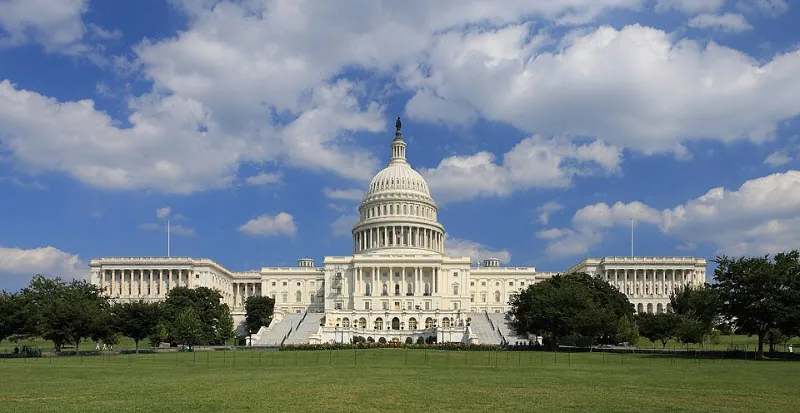
The U.S. Senate voted 73–25 to advance a broad bipartisan energy and infrastructure permitting bill as lawmakers begin a six-week lame-duck session before Democrats take control of Congress on January 3, 2027.
The legislation would speed federal approvals for projects including electric transmission lines, natural gas pipelines, renewable-energy facilities and data centers. Supporters say lengthy permitting processes have slowed construction needed to expand the nation's electricity supply. The measure also includes provisions intended to make large data centers shoulder more of the costs associated with the additional electricity and grid infrastructure they require.
The timing has become part of the debate following Democrats' sweeping midterm gains. The current Republican-controlled Congress remains in office until January, giving lawmakers a limited window to complete legislation negotiated before the election. Some Democrats now argue that their party should wait until it controls Congress and pursue an energy package more heavily focused on clean-energy development. House Democratic Leader Hakeem Jeffries, who is positioned to become speaker in the next Congress, has said the current proposal falls short.
The bill is not exclusively a Republican initiative. It was negotiated by Republican Sens. Shelley Moore Capito of West Virginia and Mike Lee of Utah with Democratic Sens. Martin Heinrich of New Mexico and Sheldon Whitehouse of Rhode Island. The 73–25 procedural vote also demonstrates that the measure has substantial support from senators in both parties.
President Trump supports efforts to accelerate energy permitting, while major oil, natural gas and clean-energy industry groups have backed the legislation. Environmental organizations and some Democratic lawmakers oppose provisions they say could weaken environmental reviews and make it easier to expand fossil-fuel infrastructure. Sponsors have made changes addressing tribal consultation, state participation and challenges to federal agency decisions, but critics say those revisions do not resolve their concerns.
The Senate vote does not enact the legislation. It advances the bill toward final passage, after which the House would also have to approve it before it could reach President Trump.